Monday, January 2

Hawera December 28th


Dull Day to Lay One to Rest

New Year is Here - 2006

The start of the New Year and 3 children away in China. Dongguan is over - have visited the villages.

Thursday, December 29

For Mum

Chui Ngan Ying

1929 - 2005


Known to us all as May Chong, Ma Ma, Por Por, and Aunty May.

May was born in Punyu County, China, on August 20 1929. She was the eldest daughter, and second child of the Chui family. At the age of one she moved to Canton with her family, and lived the city life as a daughter of wealthy landlords.

She spoke little of the hardships as a child, during the Japanese occupation of the 1930s, and we know very little of her life and family in China.

She married Kenneth Chong, of Manaia, in Canton, in 1949. This was just as the Communists declared the People's Republic of China on October 1 1949. She had a certificate to leave China, citing that she was not evading military service.

They flew to Sydney and then on to Auckland – in a Sunderland aircraft – landing in Mechanics Bay.

Settling in South Taranaki, May worked alongside Ken and in the mid 1950s had their fruit shop in High Street. She looked after her family as well as working. Her cooking skills were fantastic as everyone here will attest.

After Ken’s father, Chan Sheen Chong died in 1957, the High Street Shop was sold. Ken worked at Maypole and had his market garden from1957 to 1964. Both worked very long hours in the garden, to ensure their 4 children had a good education.

Being the only Chinese family in the town had its hardships as well. The ingredients for Chinese cooking were never available, and everything had to be made from scratch. Chinese sausages were a luxury that came from Sew Hoy’s in Dunedin. Noodles were home made, and if you wanted a fresh chicken, you killed your own.

In late 1964, Ken unexpectedly died at the age of 39. May fortuitously carried on, a lonely life bringing up Barbara, Helen, Allen and Kevin on her own. Her English was limited, but with the help of Barbara Battersby, she overcame some of this, and applied for citizenship in 1968.

Both Allen and Helen left town in 1970 – Allen to Wellington and Helen to Auckland. May decided that she too would go to Auckland, with Barbara and Kevin.

So began her Auckland life – where there were other Chinese with whom she could communicate. She worked hard in the Loo’s fruit shop in K Road, then in Asia Restaurant, Otahuhu; and lastly worked with Barbara in her business.

When yum char became available, she was pleased – at last she didn’t have to make her own dim sums, roast chicken and BBQ pork weren’t a chore and Chinese groceries were easy to source.

May made a trip to China in 1980, where she met with her mother, brothers and sisters. She’d been away from home for 32 years, but life in New Zealand must have had an impact on her view on life as she only spent 24 hours of the planned 10 days before leaving suddenly for Hong Kong. This was to be her last trip home.

May had nine grandchildren - Eleanor the eldest, followed by Jody, Wendy, Anna, Mark, Cristabel, Lian, Francine and Simon. They all loved her dearly. The postcards and Christmas cards from abroad were eagerly awaited, and if you looked on the fridge door, you would see them, in pride of place.

Since May’s passing, many people have called to speak about her. Betty Loo said that May was a lovely lady, tiny, but with a good heart. Kim Gee also spoke well about her – memories of her working hard, and the cakes she made for the cooks at Asia showed that she had a kind heart.

All here today share special memories of her dynamic and complex nature, she has greatly affected those she has come in to contact with and has also allowed them to share in her life.

Although she was alone when she came to New Zealand she reveled in the company of the many friends she made throughout her time.

May was the only one of her family to come to New Zealand. But her place in all of our hearts shows that she cared for each and every one of us. She was a very private person, but each of us knows that she was a very special person – who did it her way.

Three of her grandchildren, Wendy, Anna and Mark could not be with us today as they are currently on a journey to China to discover some of their roots and culture. However they send their best regards and condolences, as do all those who could not be present today.


Track List –
1- Crying in the chapel – Elvis
2- Let it be – The Beatles
3- Candle in the wind – Elton John
4- Blowing in the wind – Peter, Paul and Mary
5- Psalm 23 – Kathy Tricoli
6- My Way – Frank Sinatra
7- How Great Though Art – Elvis

Wednesday, December 7

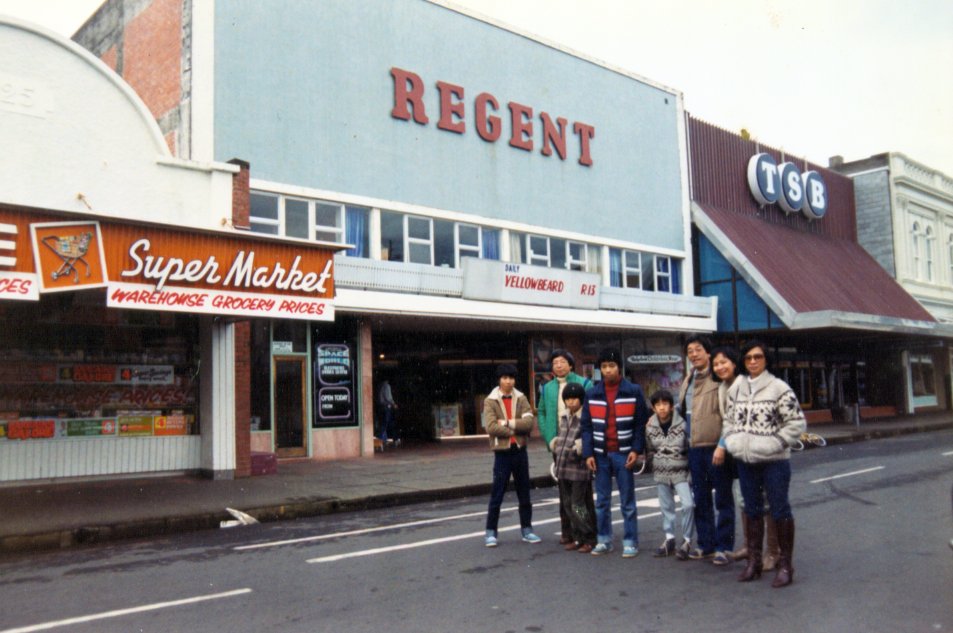
Maypole Super Market


Dad worked here between 1958 to 1963 - looked after the vege and fruit department. We used to go there on the way home from school. Mr Mac lived near the back - and the Taxi Rank was there as well.

Saturday, December 3

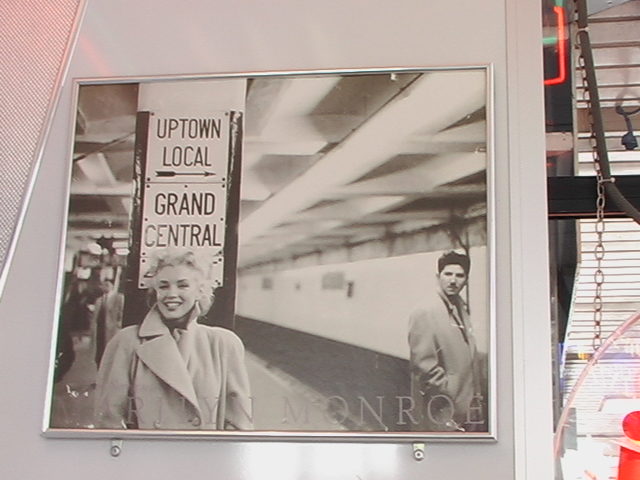
Marilyn


She was born Norma Jeane Mortenson on June 1, 1926 in Los Angeles, California, to Gladys Baker. As the identity of her father is undetermined, she was later baptized Norma Jeane Baker. Gladys had been a film cutter at RKO studios, but psychological problems prevented her from keeping the job and she was eventually committed to a mental institution.

Intermediate - 2 years in the middle


Intermediate schools were first opened in 1922. They were called Junior High Schools and most were attached to secondary schools. In 1933 the term Intermediate School was officially used . Intermediate school pupils and those in Forms 1 and 2 in primary schools received what was called Manual Training. Pupils had no choice about following the sexist role. Girls studied cooking and boys went to woodwork. Girls were taught sewing in their primary school classes, but all the sewing was done by hand.

School Desks To hide behind

School desks had a round hole for the ink well and ink monitors were appointed for each class. They had to keep the ink wells filled - a messy job for those who didn't have a very steady hand. From about standard 4 (present year 6) pupils worked in ink instead of pencil, and it was very hard for some of us to keep our work free of blots and smudges. Blotting paper was an absolute necessity! Girls with long plaits sometimes had the ends dunked in the inkwells of the desks behind!

Milk - came in Glass Bottles

The milkman delivered the milk and in our younger years we remember putting out a billy (a metal container like a saucepan with a lid and a handle over the top). The milkman filled the billy with a measure from his large can of fresh, untreated milk. Tom recalls his mother 'scalding' the milk in hot weather - heating it to near boiling point to prevent souring.

No such things as sliced bread


Double loaves which could be broken apart leaving an uneven slice at the end of each loaf. We called these the kissing crusts and loved the taste of them when the bread was new. There was keen competition to get that slice. We could tear off a piece of it which tasted especially good as it often felt like a forbidden treat if taken when no one was looking. http://www.nzine.co.nz/views/guinz25-50_part1.html?Rcat=History&Tcat=Growing_Up_In_NZ

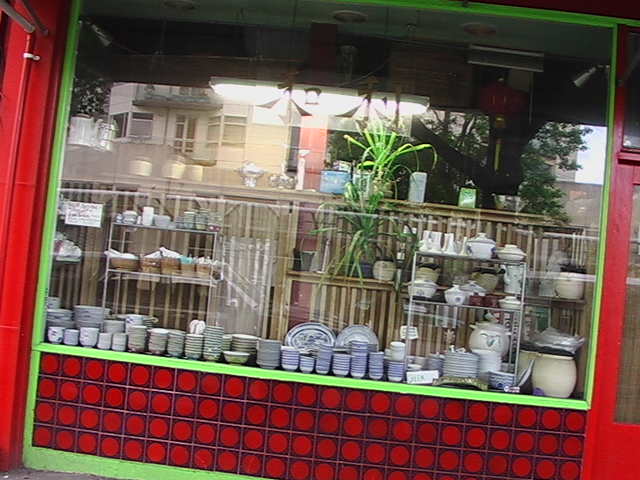
Window to Another Life


Platters and bowls - teapots and small cups... so different than breakfast at Tiffanys

Tuesday, November 29

Spinning Spinning Spinning


The Simple Image were cool - Simple Image also moved to Sydney and broke up in 1971.Barry Leef from the Simple Image had his own bands in Sydney for three decades often with former Highway guitarist Phil Pritchard. Leef married singer Erana Clark who is sought after in her own right as a recording artist and session singer – she sang the theme song for TV series Home and Away

Wednesday, November 16

Open Air Service - Sunday


Where is everyone? Plenty of Churches - St Johns Presbyterian, St Marys Anglican, Methodist, St Joseph's Catholic... you choose

Sunday, November 13

Gardening at home was a wee bit Different


from the market garden. There everything is bigger - acres of veges to crop, and send to the markets. beans, caulis, lettuce - with fresh cut smell... tomatoes, ripened on the vine - none of the green ones that are picked today and ripened in the shop.

Tailors Dummy


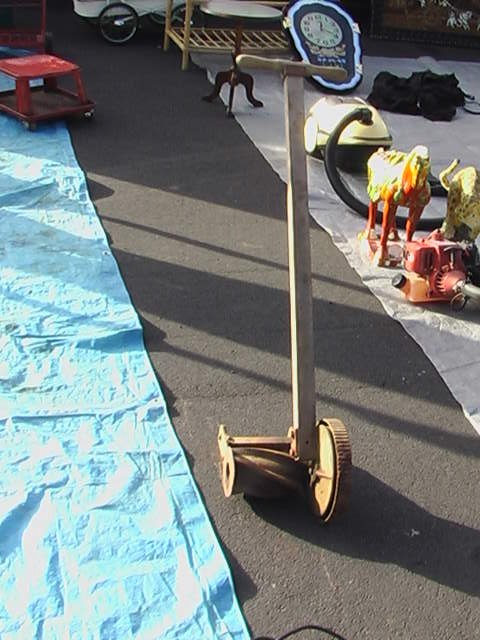
Pins in mouth as you take up the hem; tape measure around your neck, tailors chalk and scissors - and a wooden ruler that stands on the floor - any you're ready for action

Saturday, November 12

Dominion Hotel Hawera - Demolished 2005


Thanks for the photo Jan - Accommodation two double, two twin and 10 single units.Capacity: 18 (14 rooms)

For other Hawera History check out
http://www.stdc.co.nz/hawera.pdf

Thursday, November 10

The Corner Dairy


Soldier loaves, baracutta - No sliced bread ... ice cream in a cone - all flavours and chocolate dipped for an extra price. Luxury as we never had a freezer at home. Miss Brown had her store in Glover Road; Milners were opposite St Marys Church

Then the Busy Years Went Rushing By Us


We lost our starry notions on the way If by chance I'd see you in the tavern We'd smile at one another and we'd say ...


Just tonight I stood before the tavern Nothing seemed the way it used to be In the glass I saw a strange reflection Was that lonely woman really me

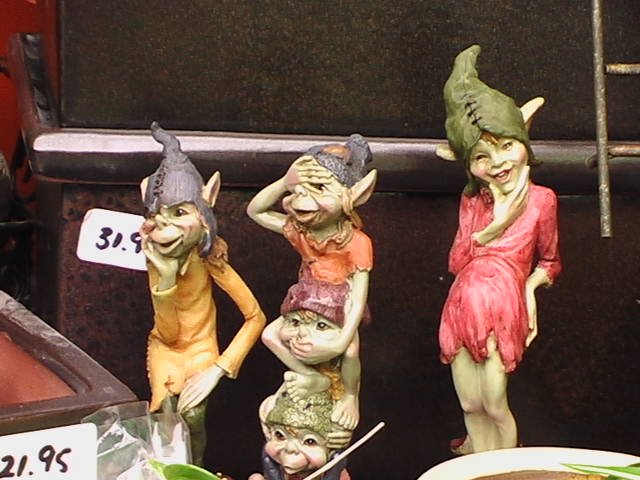
See No Evil - Speak No Evil


Whimsical - cute - or just plain and simple

Surprise


Elves, pixies and goblins... Brownies comes to mind - toadstool, putting a coin on it, working for badges. Still have the Girl Guide campfire blanket - lots of scout, cub, brownie and guide badges and other swaps from Camp and Jamborees

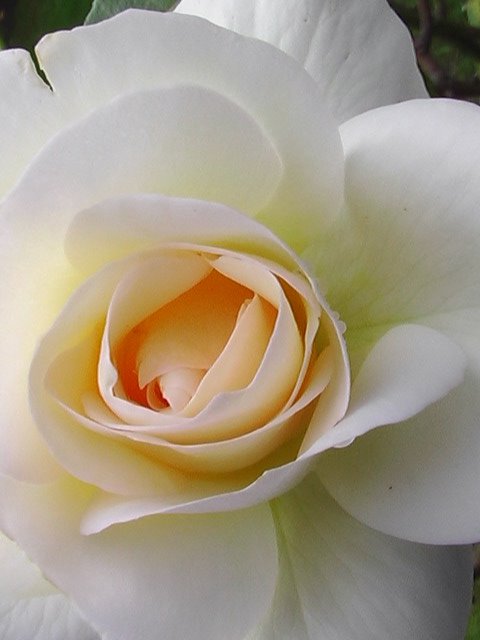
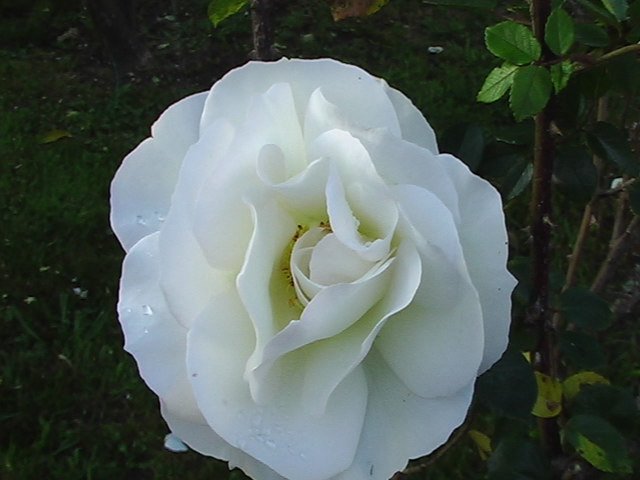
Rose By Any Name


The simple, single, sweetly-scented rose is the essence of the rose – a thing of beauty – a joy forever.

Toys Galore


No choices for us - just bows and arrows, indian feather headwear made from corrugated card boad and chicken feathers, may be a teddy bear or a doll

Daisy Chains and Summer days


Daisies are generally well known to everybody, and many people have made daisy chains as kids. They mainly cause problems in lawns, where the very noticeable white flowers with yellow centres can be considered an eye-sore or charming depending on your point of view.

1984 - Who would Have Thought


George Orwell wrote about it - he also wrote Animal Farm, that book we all studied at school. Nineteen Eighty-Four was written "to alter other people's idea of the kind of society they should strive after."

And a Pukeko in a Punga Tree


Never saw one til I left ... Maybe they lived in rural NZ.. Pukeko chicks are remarkably odd looking things. They make the most dreadful screeching noise when small. Blue bodies on long dangly legs.. striding away when you approach

Green Green Grass of Home


What more can I say... brown cows, box thorn hedges- that smell when it's being burnt ... Try driving round the mountain - different view at every turn. But keep your eyes on the road.... (All together now, one, two, three) (Keep you mind on your drivin') (Keep you hands on the wheel) (Keep your snoopy eyes on the road ahead) (We're havin' fun sittin' in the back seat) (Kissin' and a'huggin with Fred) (Dee doody doom doom, dee doody doom doom) (Dee doody doom doom, DOOM) .. courtesy www.hi.school.nz

HIS

MrTunnicliffe was our leader - George Hill, Mrs Canavan, Mr Mills, Mrs Leamont, Mrs Langton, Mr Elgar - Oh so many .. Fairly new school by the time I got there. Cooking, sewing, science, folk dancing, no pool - big fields.

photo courtesy www.hi.school.nz

Flea Markets or Garage Sales Weren't Invented


Just the school gala - with donkey rides, fire engine ride from Miss Sue Mathews, toffee apples, seedlings and jars of home made preserves and jam. Not forgetting the White Elephant.

Petrol Was Never This Expensive


No self service -Plenty of brands to choose from - Atlanta, Europa, Shell, Caltex, Mobile - and the guy who filled it up also checked the oil and water... no need to ask

No White Geese In Naumai Park


Well, not that I remember. Naumai Park is noted as an Ark of native fauna.Naumai Park is the realisation of some of Hawera's forefathers. It is close to High Street, and the water tower- easy walking distance, and a collection of mature native trees and seedlings, and fish? . We went past it every Sunday on the way to the Cemetery. Bread was taken - if we had any to spare..

Trams - None In The Old Home Town


No public transport in Hawera - Just the train in and out - North to Auckland and South to Wellington - and anywhere in between. Taumaranui and the stop off for a cup of tea and a pie. The overnight 14-hour trip between Auckland and Wellington, on that winding, narrow-gauge, mountain railway line. No dining car, no beds, poor heating, endless swaying.

Nearly November 11 - Armistice Day

It’s hard to imagine that World War I involved 35 countries. It lasted five years, from 1914 to 1918. The United States only fought from 1917 to 1918. A year was more than enough time, however, to claim too many lives, and people held tight to the notion that this was the very last war. When the fighting stopped, leaders of several countries signed an Armistice on the 11th hour, of the 11th day, of the 11th month. An Armistice is an agreement to stop all fighting, in other words a truce. This truce was signed on November 11th, 1918 at 11 A.M.

Tuesday, November 8

Home Sweet Home


Nothing like it ... After months away in the Big Smoke - so nice to be Home among Family... So soon to leave again

There was Life Before


McDonalds - In fact before 1970 - But Wellington..The Capital City was the first to offer such American Food...And there was the queue to contend with for days and days.

The Sunset Show 1ZB Wellington

Hi there, this is Pete Sinclair! Once again I'm saying, let's go... with The Librettos!" and the band would launch into the familiar hand clapping and twangy guitar of the show theme tune.

So You Want To be A Hero


Comic collections - Do you still have yours? Beano - Phantom - Ritchie Rich and Casper the Friendly Ghost

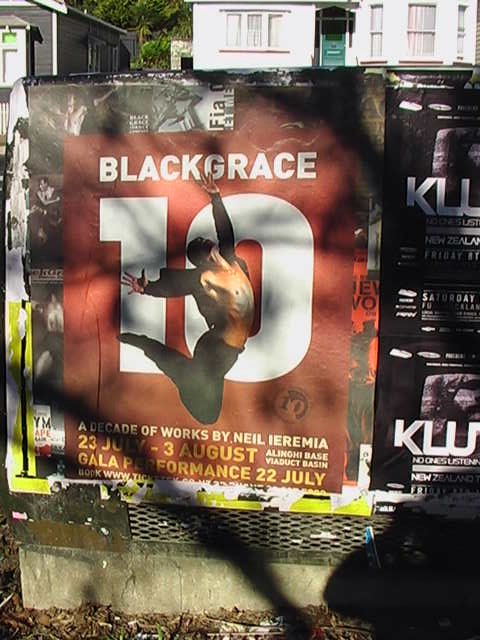
Black Grace


Dancing in the Street - what was that song? Calling out around the world Are you ready for a brand new beat Summer's here and the time is right For dancing in the streets They're dancing in ChicagoDown in New Orleans In New York City All we need is music, sweet music There'll be music everywhere They'll be swinging, swaying, records playing, Dancing in the street, oh..It doesn't matter what you wear, just as long as you are thereSo come on, every guy, grab a girl, everywhere, around the worldThey'll be dancing, dancing in the street

Monday, November 7

The Dental Nurse needs to see you....


Miss Evans - The Dental Nurse - in her little house across the field.. Some thing to make your day. And if you were good - she made you a bumble bee out of those cotton pad things .... I can just hear it now bzzzzzzzzzzzz

Sunday, November 6

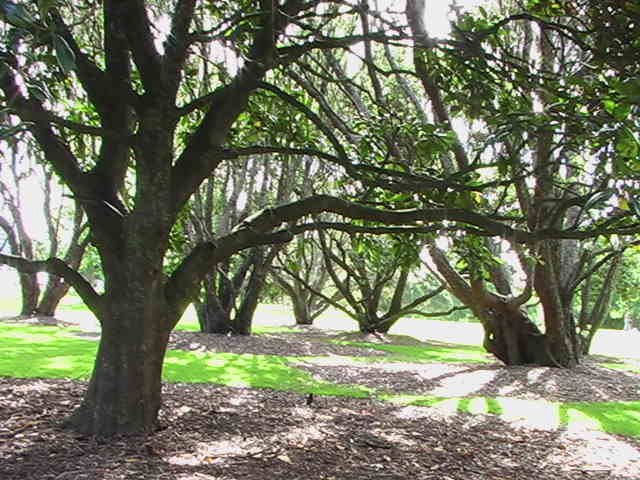
Afternoon Shadows


Trees - tall and imposing surrounded by blue sky- There for ever it seems.

Nursery Spiders


Spiders were never my forte - but nursery spider webs look great. Used to see the little spiders on the way to school - they look gorgeous all in their bridal veil

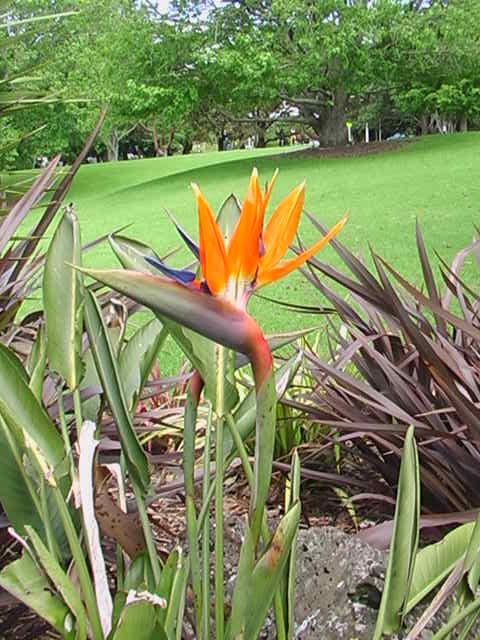
Bird of Paradise


So serene and elegant.. Never had any in my garden.. Look like the real deal

Jingle Bells and All That

Near enough to it now - the long summer days - beach and picnic - ham, turkey and lamb, roasted with potatoes and kumara; and peas and mint sauce. Lets not forget the pav and cream, and trifle with custard and jelly, fruit salad - strawberries dipped in chocolate.. Hanging out already

So this is Christmas...

Cool Spring Day


Teddy Bears Picnic was never this good ... Lovely walk in the forest. Who know who you might see there

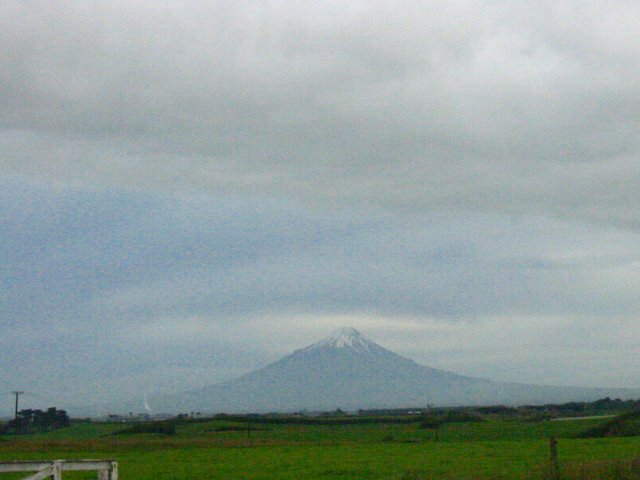
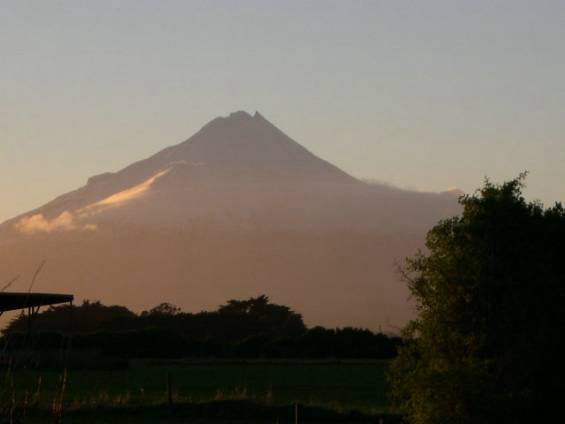
Mt Egmont Blows You Away

Its always there and you see it every day - But when you've moved away - it becomes more precious . Coming down the West Coast down Mokau way - you see it in front of you. You know that you are coming home - That feeling over comes you as you glance out the window - that cool blue sea - waves - black sand ... An image that you can see when you close your eyes ... But you had better not be driving at the time!

Once Was Egmont - Now Taranaki

The Bank Was Right Next Door - High Street

The Sewer

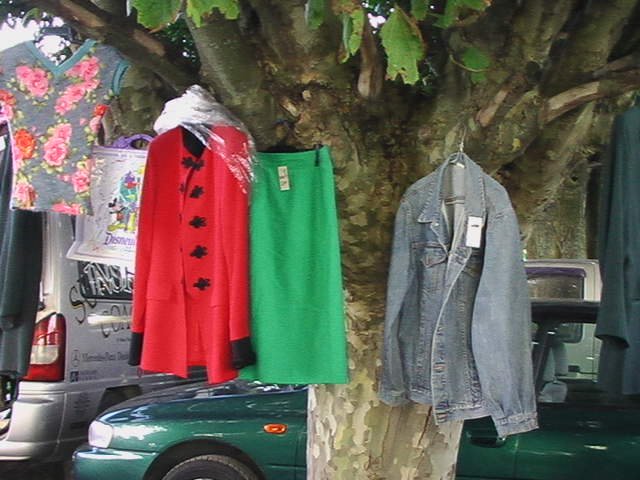
Mum made all our clothes - the skirts and dresses.. when we moved up here there were bags of material that she hadn't got round to making garments.. I still have the bags now and every so often my girls will get a bolt out... who's hanging out for materials from the 60s...lovely psycadelic (sp) purples and pastels - flowers even. Some denim - And the patchwork quilt we started with Mrs Langdon in 1964 - a reflection of all the material we had over the years .. well that quilt still remains uncompleted today.. sorry Miss - I was never a sewer.

Singer Machine - Yes we had a Treadle

Mt Egmont - Who Needs To Go Bush...

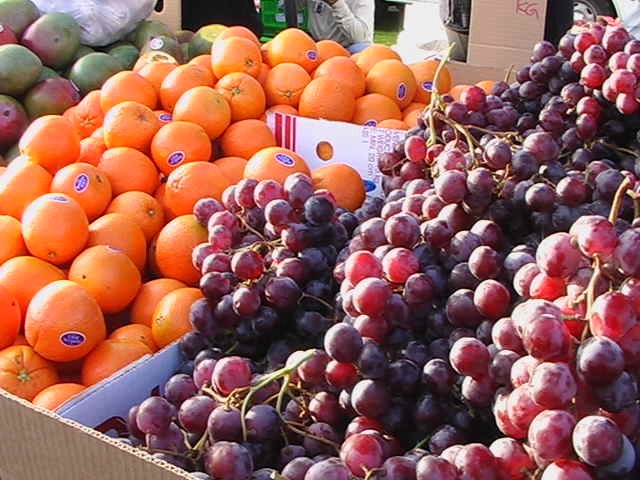
Green Grocer

Is there any such thing today? That was what Dad was - his occupation - a green grocer. Firstly in High Street then Union Street. Holidays saw us down at Webster Brothers - watching the auctioneer in action.. Mr Taylor - All the buyers from around the province getting their stock - vegetables, fruit ..and loading up their trucks to take the wares home.

Those were the days where you had to wash your own carrots - ripen the green bananas in the banana room -

We even had tins of mutton birds - Mum used to hold her nose as the smell was so strong.

And the internet says:

Call it what you will, it is one of Maoridom's most favoured foods.

Muttonbirders say that on the 25th November, all adult females with only a very few exceptions lay an egg. Only one egg is laid by each bird and both the male and female incubate it. A few eggs are laid on the 26th November and an even smaller number are laid on the 27th November, but after the 27th egg laying ceases entirely.

The eggs laid on the 25th November are said to hatch on Christmas Day and those laid on the 26th and 27th November are hatched on the 26th and 27th December.

Eat Your Veges

Oranges And Lemons - The Bells of St Clements

Those Were The Days - AMP Shows

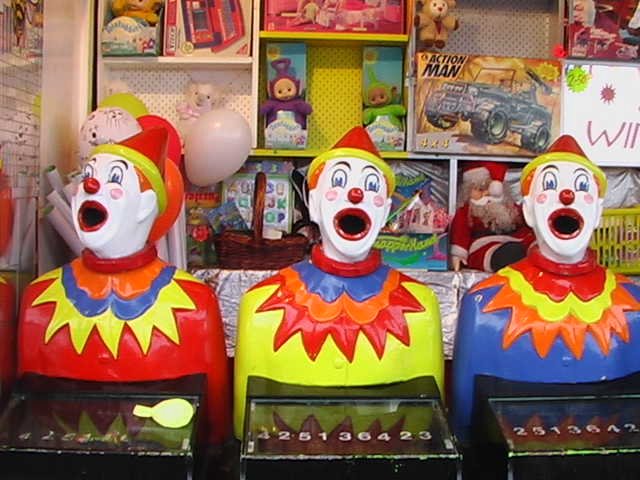
AMP shows were the high light of the year. Hicks Park.. horses - candyfloss and waffles - hot dogs on sticks with runny tomato sauce - and of course the clowns - the guns - shooting for prizes. photo competions - cake competitions - and jam.. biggest pumpkin.. and who could forget thos little kewpie dolls dressed in net skirt with gold glitter - on a wooden cane

Ping Pong Clown

Art - For Arts Sake

Railway Station - Auckland

Britomart has been given all sorts of names - but if you take the time to wander in, it's a lovely place. Long - not busy and trains pulling in from all over. Even the train trip is great - Used it during the bus strike earlier this year.

Rain ...On The Roof

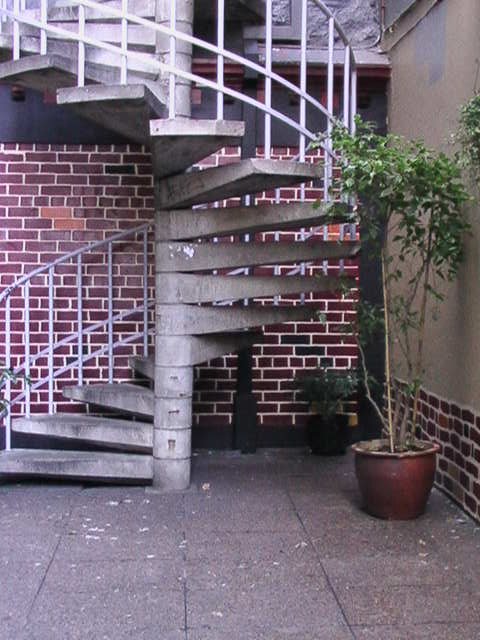
Stairway up To...

Flowers From The Garden

They are so much better where they are -No flower shop ones for me!! Even the Dandelions grow well in my garden. There are all sorts of excuses not to be out there weeding... but I'll be there... maybe next weekend

A Rose By Any Name

Blowing In The Wind

What happens to the sign in page

Well who knows - Things never seem to go according to plan. Like the broadband - never connects first time up - have to pick up the phone and dial out before it registered... no dial tone.. um - isn't broadband wireless?

taranakiexpat

Bother Lost it again

Saturday, November 5

On the Research

Have interviewed many of the Clan - lots of information that now needs clarity - some real work now in deciding what to put in the chapter. Have met lots of nice people - all keen to help - and all positive people who have overcome adversity in their lives. One does not know the hardships that they and their forebears had before us.. The years 1900s were fraught with danger, hard times.. but the desecendants can do them proud.

Lost in Space

Well its been a while - November 5th Guy Fawkes. Seems strange that there are no fireworks in this houshold - first time in 26 years. The days of penny for the guy and tom thumbs have long gone - Hawera 1950s!! The guy stuffed with straw - in a trolley - hanging about outside the White Hart. Sparklers and Mt Egmonts, Mt Vesuvius, double happys, sky rockets... now they have fantastic names and cost an arm and a leg

Saturday, June 18

Many days later

Been quiet at work - read a book for the first time in yonks Chinatown Girl by Eva Wong Ng- went to the Auckland library today - found microfiche from Hawera Star and Taranaki Herald - Births and births deaths and marriages.

Chinatown Girl

Title:
Chinatown Girl
Author:
Eva Ng
Abstract:
My Story, CHINATOWN GIRL, the Diary of Silvey Chan, Auckland 1942 is a book being launched at the Welcome Reception at Auckland Central Library at 6.30pm on Friday, 3 June 2005.Eva Wong Ng has written a number of books about the Chinese communities around New Zealand and the history of the immigration from China beginning in the gold-rush days. This is the Dunedin author's first novel for children.

In Auckland, in 1942 there was an area of the city known as Chinatown in lower Greys Avenue. Here the descendants of the Chinese miners and market gardeners gathered together to maintain their culture and provide a sense of community.New Zealand is at war when Silvey starts her diary, but for Silvey this is just a backdrop to the main issues of her world - the closure of her school and the arrival of Chinese - American soldiers.

taranakiexpat

well, here's a worry - an empty post - better fill it before i head off into the night

Friday, June 17

GREYS AVENUE AND THE AUCKLAND CHINESE SCENE

GREYS AVENUE AND THE AUCKLAND CHINESE SCENE
1890 –1960’s

Paper presented at the ‘Crouching TigerHidden Banana Conference,
AUT, Auckland 4 June,2005

There is a saying “Wherever ocean waves touch; there are Overseas Chinese”. So it was in 19th Century New Zealand. Within thirty years of European settlement the Chinese arrived to become the earliest non-Polynesian, non-European arrivals.

These early Chinese came in 1866 as sojourners not settlers. They were men of peasant background from the Kwangtung Province in southern China. They headed for the goldfields of Otago where they hoped to strike it rich then return to China. However by 1866 most of the easily worked alluvial gold had been worked out by the European miners who had moved on to other goldfields. The lure of gold was irresistible and the flow of Chinese to New Zealand became a torrent. In 1881 they numbered more than 5000.

From 1879 there was more than a decade of economic depression. The sudden influx of so many Chinese into New Zealand, stirred up resentment from the European population who feared that if more Chinese came, there would be no jobs for anyone else. Anti-Chinese feeling ran high and scarcity of work was blamed on the Chinese.

In the following years anti-Chinese attitudes worsened. Legislation was introduced to restrict the number of Chinese coming into the country; a poll tax was imposed and other discriminatory measures were legalised. Throughout the world, anti-Chinese feeling in host countries results in the establishment of Chinatowns. In New Zealand cities, the so-called Chinatowns were small compared to their counterparts in USA and Australia.

Faced with hostility, little prospect of gold and economic recession, the Chinese who stayed on in New Zealand moved to urban areas and to main cities in the North Isalnd. At the beginning of the 20th century, there were 155 Chinese in the Auckland area; by 1919, the number had more than doubled; in 1945 Auckland’s Chinese population was around 1200.

In the Auckland area the Chinese turned to what they had known in China, market gardening. Others became fruit and vegetable hawkers, cooks or workers in domestic service..
2.

Early market gardens in Auckland began in the 1870s. These were near Carlaw Park area and the KhyberPass,Carlton Gore Road area.
Another of the earliest Chinese market gardens in the Auckland started in 1901, on the corner of what is now Pilkington and Point England Roads. Soon there were others; in Mt Eden,Glen, Onehunga, Avondale, Mt.Wellington, Western Springs, in the area which became known as Chinaman’s Hill and Mangere.

In 1901 NZ, 660 Chinese were involved in market gardening, 131 in fruit and vegetable shopkeeping or hawking. I don’t have a figure for laundrymen but the 1906 figure is 243.

Chinese market gardening in New Zealand reached a maximum in the 1920’s. Since then the number has declined as urban Auckland expanded and the early market garden land is being used for housing. For example in the 1920’s there were 32 Chinese and 6 European market gardens in the Mangere district. Today there are less than a dozen gardens.

Chinese greengrocery shops show a similar pattern. In 1934 there were 44 Chinese fruit and vegetable businesses in urban Auckland, by 1944 there were 78. The Chinese fruitshop’s heyday was the 1940’s and 50’s. My father was a greengrocer in Broadway, Newmarket for more than 40 years, until he closed down around 1968. He maintained it was the advent of frozen peas that did him in, but it was changing market forces that hastened the fruitshop’s demise. Supermarkets were becoming established and younger generations of better educated Chinese were turning their backs on the traditional Chinese occupations.

The once ubiquitous Chinese laundry too has disappeared. Laundering was an occupation which required little capital and minimal knowledge of English. Often a laundry would be set up by two or three kinsmen or friends who shared the work and took it in turns to return to China for short spells. Chinese laundries increased in number from the 1890s, to peak in the 1920s and 30s. In the 1934 Auckland area there were 34 Chinese laundries listed, by 1947 there were 18. .Drycleaning was introduced in the 1930s and home washing machines were becoming affordable. These factors as well as the advent of synthetic materials which did not require starching, (Chinese laundrymen were expert at starching) meant that the Chinese laundry had become an anachronism. By the 1970s they had all but disappeared. On a visit to New York

3.


several years ago I was intrigued to see Chinese laundries amongst apartment blocks on Manhattan Island.

From early in the 20th century Greys Avenue or Grey Street as it was then called, became a focus for the Auckland Chinese. Grey Street was formed in 1864 west of Queen Street. Opposite the intersection where Grey joins Cook and Queen streets was an area known as Market Square,
where the first City Markets were built.

During the 1870s houses were being built further up the slope of Grey Street where panoramic views of the harbour made the climb worthwhile.
The plane trees which have always been a feature of Greys Avenue were planted in 1873. There were 60 planted but I am not sure whether the trees there today are the originals

By the 1880s the lower Grey Street buildings were vacated in favour of the more desirable dwellings further up the hill. The empty buildings gradually became rundown and decrepit.

A common sight in those days was the horses and carts of market gardeners hitched along both sides of Grey Street. With so many gardeners coming into that area it was not long before a store selling Chinese goods opened up

Exactly when Auckland’s ‘Chinatown’ began has not been recorded. For practical reasons lower Grey Street was an ideal location.. Rentals were cheap and it was close to the city markets.

The first Chinese entry I found in the Auckland Directory was in the 1895 edition. A Thomas Humlog was listed as having a ‘China Laundry’ at the intersection of Grey Street and Shoe Lane. In 1899 the corner of Grey and Queen Streets was chosen as the site for the Town Hall, on the site of Thomas Humlog`s laundry. Building began in 1909 and was completed in 1911.

Wah Lee’s store was one of the earliest Chinese operated shops in Grey Street. About 1904, it began selling Chinese food stuffs in premises next to the Market Hotel. As well as retailing, Wah Lee`s acted as a bank for the Chinese, a depot for letters arriving from China and was an important social centre where gossip was shared and news from home exchanged.
4.

New arrivals in Auckland would stay in rooms above Wah Lee`s until they found other lodgings and work. About 1914, the Chinese Masonic Lodge, the ‘Chee Kung Tong’, was established in the rooms above the shop next to Wah Lee`s. Soon, other Chinese rented buildings and before long Grey Street had Chinese boarding houses, opium dens, fan tan, pakapoo and gambling houses.

The civic authorities became concerned about the bad image Grey Street was acquiring. Hoping to add some respectability to the area, in 1927 Grey Street was renamed Greys Avenue on account of its trees.

In 1938 the Japanese invaded the Kwangtung Province, the home counties of the Chinese in New Zealand. On humanitarian grounds, the Labour government of the day allowed those Chinese men who had been long time residents in New Zealand to send for their wives and dependent children. This was on condition that they pay a deposit of 200 pounds, stayed for only two years, then returned to China with any children born in New Zealand. Over the next few years, 249 wives and 244 children came to New Zealand. Many settled in the Auckland area, several joined their husbands in Greys Avenue and lived in accommodation above or behind the shops.

Auckland’s Chinatown population expanded. There were now three or four stores, restaurants, boarding houses- some of which were used as gambling or opium dens. There was a long-established Chinese laundry at the Pitt Street end of Greys Avenue, two hotels- the Market and further up in the next block, the Carpenter’s Arms. Greys Avenue became a busy area. In 1928, the Salvation Army built its Citadel near Myers Park entrance, and further up Ross & Glendinning had premises. A Mission House and other businesses were established.

The gambling and opium dens were often raided by police. Again, Greys Avenue earned a reputation as an unsavoury area. The old buildings had deteriorated further, and according to Europeans who remember Greys Avenue in those days, it was a scary, dark, and mysterious place and one to be avoided.

However, those who grew up there tell a different story. As children they had wonderful childhoods. Sure, there were dangers to be considered, for this was the time of the six o’clock pub closing and after 1942 there were many American and New Zealand servicemen around. But with the
5.
company of other Chinese children and Myers Park nearby, they made their own fun.

During WW2, New Zealand and China became allies. China was fighting Japan, the common enemy. The worst of the racist discrimination had been removed from the statutes but there was limited immigration, and prejudice against the Chinese lingered. The war lasted longer than the two years of the refugee allowance and when the Chinese communists came to power in 1949, the New Zealand Chinese Association and Reverend George McNeur, a Presbyterian Church leader, lobbied Prime Minister Peter Fraser to allow the families and others to stay in New Zealand. The request was granted and a total of 1323 Chinese consequently gained permanent residence.

In 1947, houses further up Greys Avenue were demolished and replaced with multi-story State flats. In 1959, news came that all the “Chinatown” buildings in lower Greys Avenue were to be demolished for a twenty storey Civic Administration block and the Aotea Centre and Square.

By then, the Chinese children had grown to adulthood. Many families had already moved to the suburbs and the Chinese shopkeepers and restaurant owners were ready to move to other areas. Wah Lee’s moved to Hobson Street where it still operates. In 1964 the last Chinese occupied buildings in Greys Avenue were demolished.

Auckland’s first and only Chinatown disappeared and has never been replaced. This surely is testimony to the acceptance New Zealand Chinese people have today in what can be called a culturally diverse society.


Eva Wong Ng
4 June, 2005.

Thursday, June 2

First Day of Winter

Its cold enough already - and another 3 months of it. Queens Birthday coming up - a few days off to catch up on sleep, friends and fellow researchers.

Wednesday, June 1